
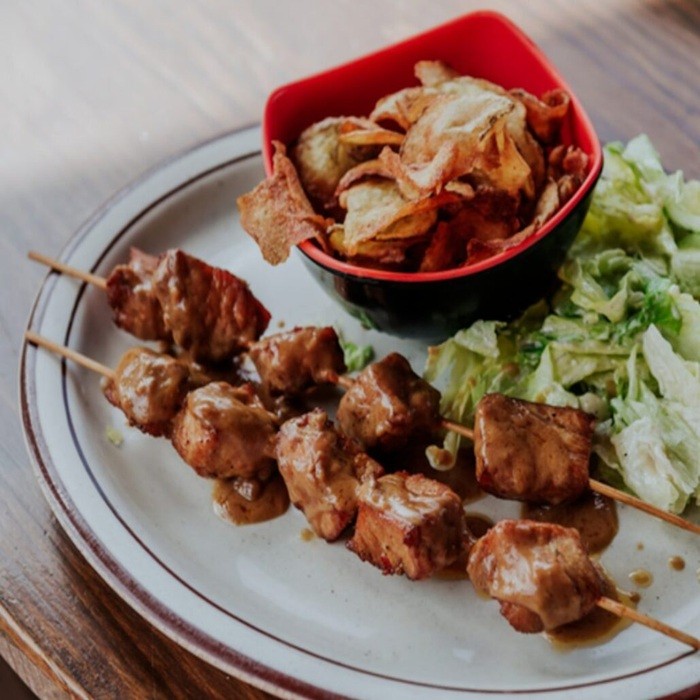
Satee
Satee is a classic dish that holds a distinguished place in traditional cooking. Celebrated for its wholesome ingredients and time-honored preparation, this dish brings authentic regional character to the home kitchen.
Carefully prepared featuring Onion, Garlic, Lemons, Soy Sauce, Ground Coriander, Beef and Soy Sauce, the ingredients are simmered and seasoned to achieve a satisfying depth of flavor. The cooking process allows natural aromas to develop, ensuring each portion is both hearty and flavorful.
Serve hot alongside fresh bread, steamed grains, or a crisp seasonal salad for a well-rounded dining experience.
If you enjoy authentic cooking, be sure to also explore our recipe for Algerian Kefta (Meatballs).
Rate this recipe
Ingredients
- Onion1 chopped
- Garlic2 cloves
- LemonsJuice of 2
- Sugar2 tablespoons
- Soy Sauce1 cup
- Salt1 tsp
- Ground Coriander1 tsp
- Oil1 cup
- Beef4-5 pound
- Oil1 cup
- Soy Sauce2 tablespoons
Step-by-Step Instructions
17 stepsInteractive Cook Mode: Click any step or circle to check it off as you cook.
To make the marinade for the satee put in the container of an electric blender:
1 large onion, coarsely chopped 2 cloves of garlic
Juice of 2 lemons
2Tbs. of sugar 1 cup of soy sauce
1 tsp. salt 1 tsp. ground coriander for beef (or chicken) or 1 tsp. ground ginger for pork
1 cup of oil
Blend thoroughly and pour over:
5 lbs. of beef or pork tenderloin, cubed
DO NOT marinate overnight, but only for a few hours.
Place the meat on: 36 skewers
Blend well:
1 cup of oil
2 Tbs.
Soy sauce
Pour into a large shallow dish.
To keep meat from becoming dry, roll each skewer in seasoned oil before frying.
Satee is also excellent when barbecued.
👨🍳 Chef's Culinary Notes
Cultural Heritage
Satee carries a rich culinary tradition rooted in regional home cooking. Developed over generations, the recipe highlights wholesome local ingredients prepared with time-honored kitchen techniques.
Dietary Substitutions
If you need to accommodate dietary restrictions, onion can be substituted with an equivalent volume of seasonal vegetables, legumes, or a protein alternative of your preference.
Chef Technique Tips
Season in stages rather than all at once at the end. Salting components as they cook draws out excess moisture, intensifies natural sugars, and builds harmonious depth of flavor throughout the dish.
Recipe Feedback & Reviews
Have you tried making this recipe? Share your experience, modifications, or tips with fellow cooks!
Please log in to leave feedback on this recipe.
Community Feedback (0)
No feedback yet. Be the first to share how this recipe turned out!